What Is a Modular Belt? Structure, Advantages and Applications
Learn how modular belts work, which data matters during selection, their maintenance advantages and common production-line applications.
Read article →
Bilge Kalıp evaluates the product, speed, load, temperature, cleaning conditions and transfer points of your line together to develop an application-specific modular belt solution.
Application-based evaluation of line geometry, product and operating conditions.
A process focused on durability and reliability from material selection to production.
Modular belt alternatives adaptable to different surfaces, dimensions and operating conditions.
Solutions designed to support product flow, maintenance access and production continuity.
A modular conveyor belt is more than the moving surface of a production line. Belt surface, module geometry, width, guidance and transfer design directly influence stable product movement, maintenance and cleaning.
Bilge Kalıp evaluates product dimensions and weight, line speed, operating temperature, wet or dry conditions, cleaning method, shift pattern and existing conveyor geometry together. The goal is to define a modular belt structure that fits the real operating conditions of the line.
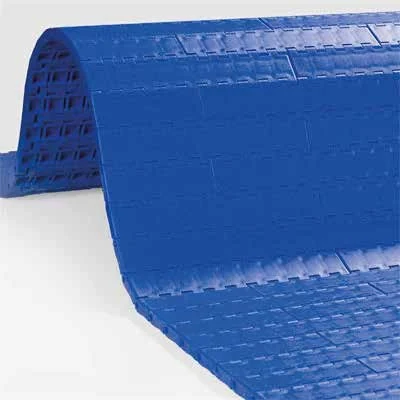
Bilge Kalıp modular belt solution groups are organized by application area so that the operating and conveying requirements of different industries can be evaluated more accurately.
For food-processing lines where hygiene, cleanability, wash-down conditions and continuous product flow are important.
Explore food solutions →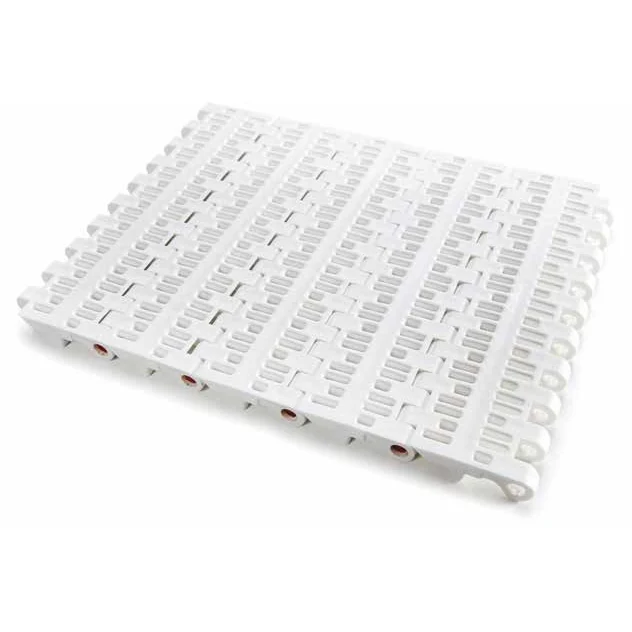
Applications configured around part handling, load, contact surface, line layout and maintenance access.
Explore automotive solutions →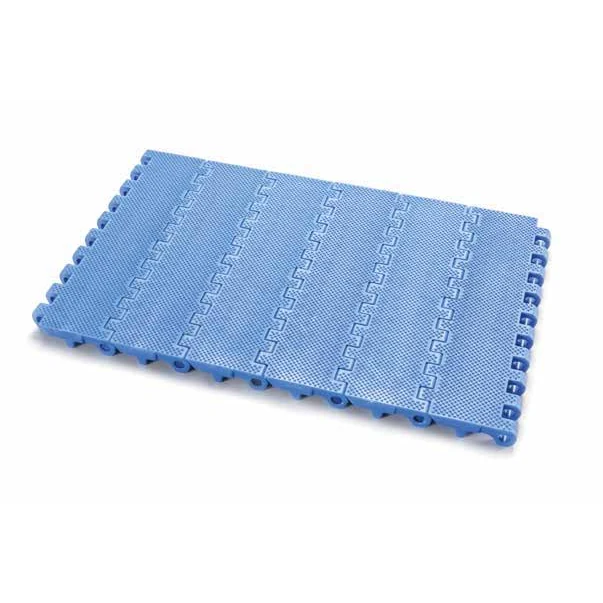
Solutions focused on regular flow and transfers for packages, cartons and different product geometries.
Explore packaging solutions →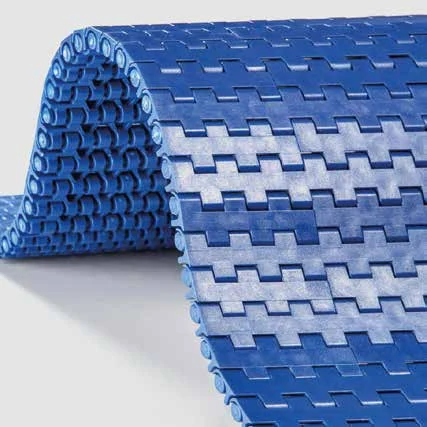
Applications focused on cleanability, controlled product flow, structured maintenance and production-environment requirements.
Explore pharmaceutical solutions →Review genuine Bilge Kalıp product series by code, series and technical data. There is no online sale; product pages are for technical information and project evaluation.
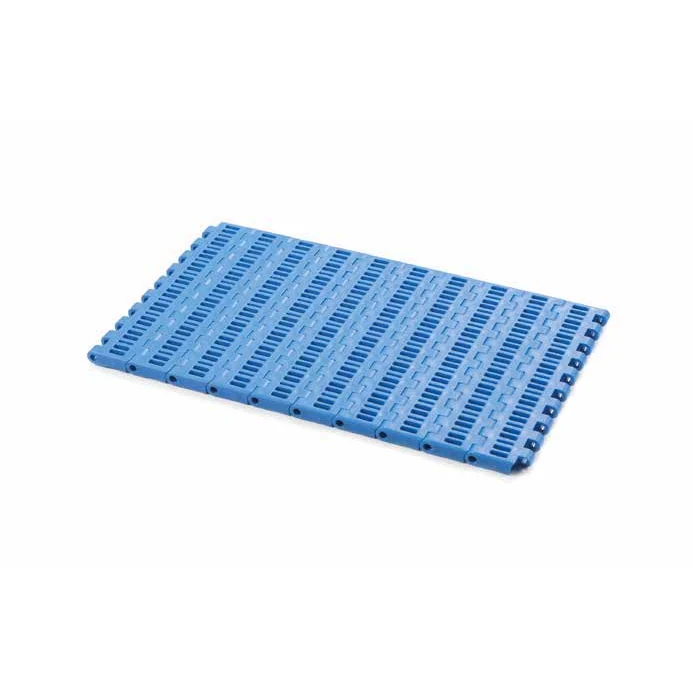
BLG127 B is a Bilge Kalıp modular conveyor belt model in the 127 series. The listed pitch is 12.7 mm / 0.5 in. The belt surface is specified as Close, Smooth Surface. The product image and source technical data are presented together on this page.
View product →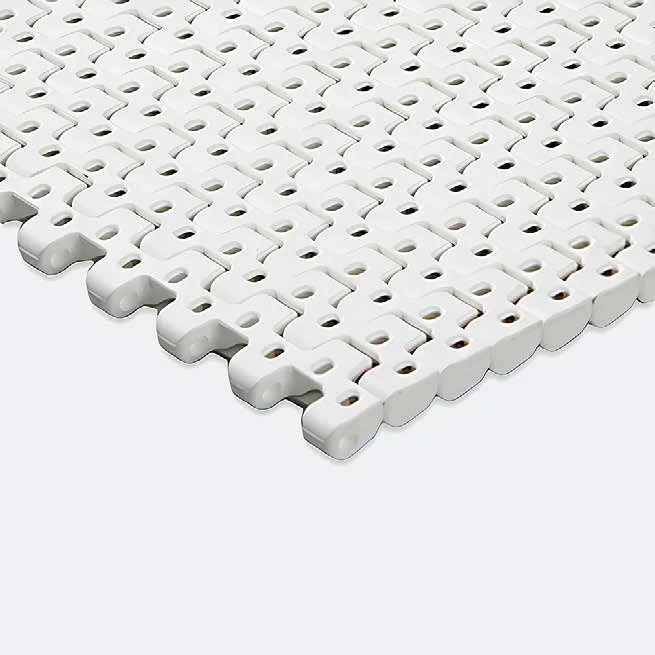
BLG127 BG is a Bilge Kalıp modular conveyor belt model in the 127 series. The listed pitch is 12.7 mm / 0.5 in. The belt surface is specified as Open, Smooth Surface. The product image and source technical data are presented together on this page.
View product →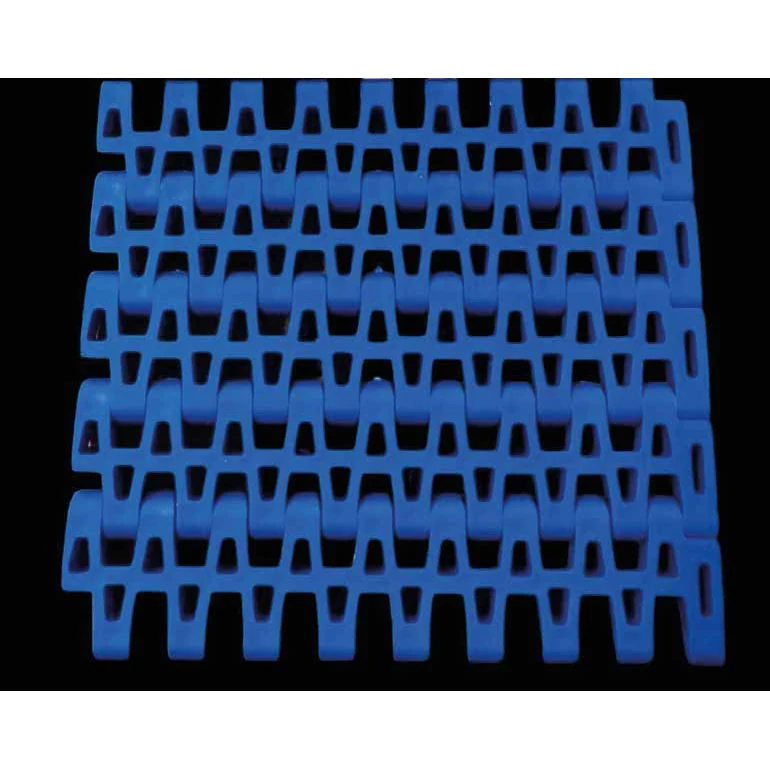
BLG253 is a Bilge Kalıp modular conveyor belt model in the 253 series. The listed pitch is 25.4 mm / 1 in. The belt surface is specified as Close, Smooth Surface. The product image and source technical data are presented together on this page.
View product →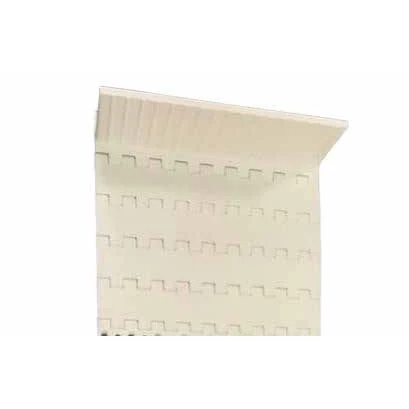
BLG253 B is a Bilge Kalıp modular conveyor belt model in the 253 series. The listed pitch is 25.4 mm / 1 in. The belt surface is specified as Close, Smooth Surface. The product image and source technical data are presented together on this page.
View product →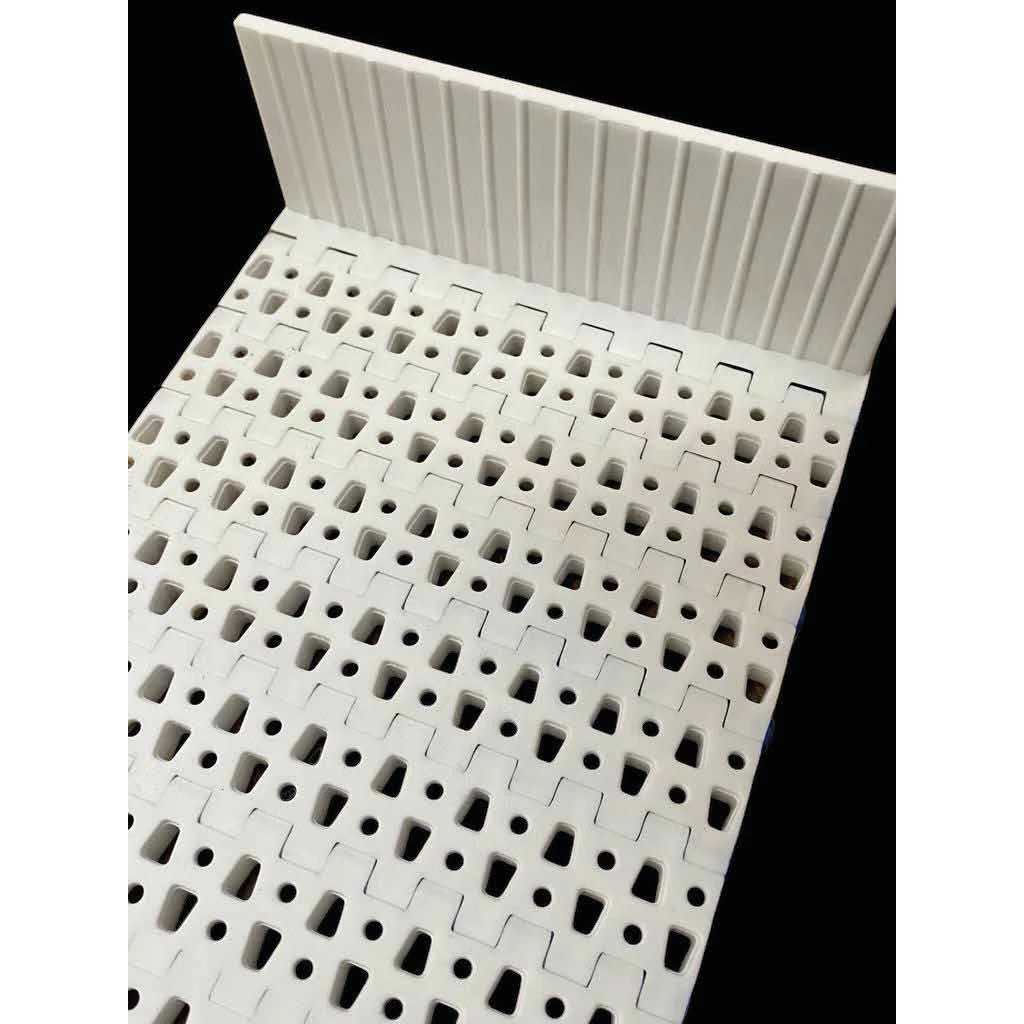
BLG253 D is a Bilge Kalıp modular conveyor belt model in the 253 series. The listed pitch is 25.4 mm / 1 in. The belt surface is specified as Close, Smooth Surface. The product image and source technical data are presented together on this page.
View product →BLG254 B is a Bilge Kalıp modular conveyor belt model in the 254 series. The listed pitch is 25.4 mm / 1 in. The belt surface is specified as Close, Smooth Surface. The product image and source technical data are presented together on this page.
View product →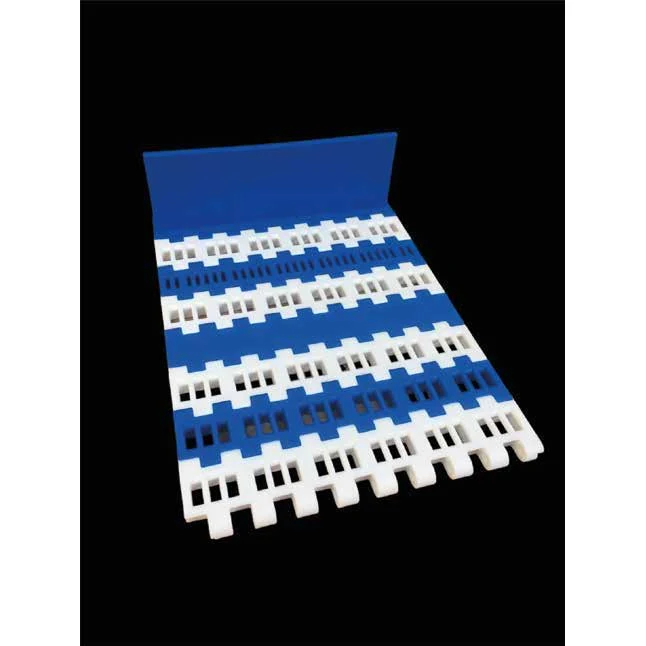
BLG254 BD is a Bilge Kalıp modular conveyor belt model in the 254 series. The listed pitch is 25.4 mm / 1 in. The belt surface is specified as Close, Smooth Surface. The product image and source technical data are presented together on this page.
View product →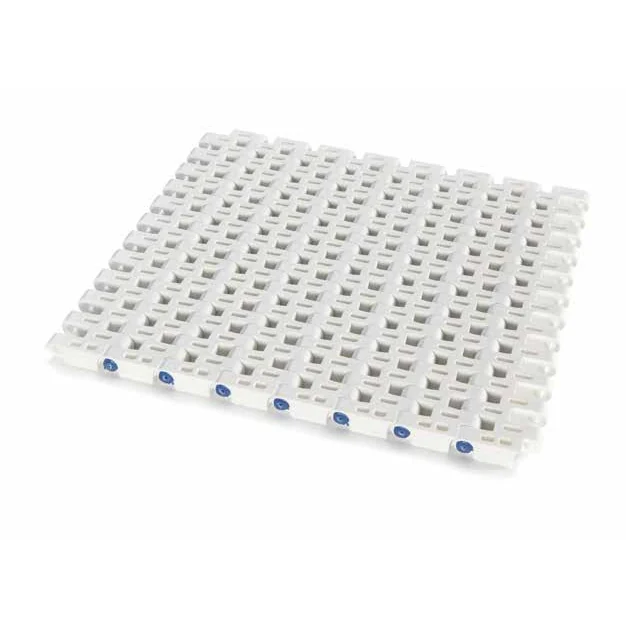
BLG254 BT is a Bilge Kalıp modular conveyor belt model in the 254 series. The listed pitch is 25.4 mm / 1 in. The belt surface is specified as Open, Smooth Surface. The product image and source technical data are presented together on this page.
View product →Proper modular belt selection goes beyond choosing a width or surface from a catalogue. The conveyed product, base geometry, unit and total load, belt width, line length, speed, temperature, humidity, wash-down and chemical exposure, transfer points, incline requirements and maintenance access should be considered together.
Product dimensions, weight, surface and orientation on the line are key inputs for belt-surface and support decisions. Small products make transfer gaps more critical, while heavier components increase the importance of load and support considerations.
Wet, dry, hot, cold or frequently washed lines may require different material and design decisions. In food and pharmaceutical applications, cleanability, access and a structured maintenance plan should be considered at the beginning of the project.
Infeed and discharge points, side guides, turns, inclines and machine interfaces directly affect product flow. Clear project data allows a more accurate technical evaluation and quotation process.
A suitable modular design can simplify local replacement of damaged sections.
Application data is evaluated for new lines, revisions and replacement requirements.
Correct installation, guidance and maintenance support stable product flow.
Surface, dimensions and operating alternatives can be evaluated for the specific application.
Hygiene requirements in food processing are different from load and wear conditions in automotive production. We therefore focus on actual process conditions rather than a generic industry label.
Share belt width, line length, conveyed product, approximate load, speed and environment details for a technical evaluation.
Original Bilge Kalıp articles covering selection, maintenance, hygiene, transfer points and industry applications.
Learn how modular belts work, which data matters during selection, their maintenance advantages and common production-line applications.
Read article →See how cleanability, product geometry, temperature, cleaning chemicals and transfers affect modular belt selection in food production.
Read article →A practical modular belt maintenance checklist covering modules, pins, sprockets, guides, transfers and cleaning routines.
Read article →Learn how speed, friction, transfers and sorting points affect modular belt design for cartons, packages and different product geometries.
Read article →See how part geometry, load, oily environments, speed, support and maintenance access affect modular belt projects in automotive lines.
Read article →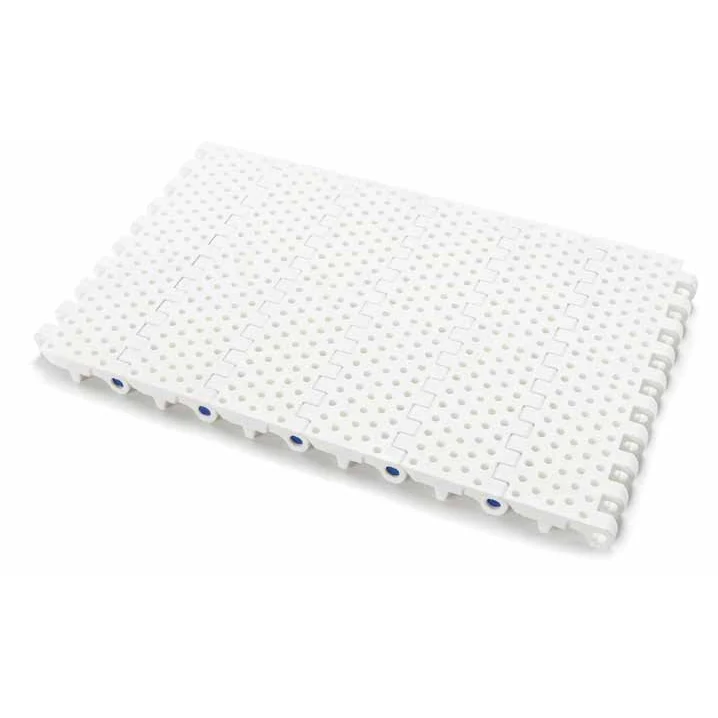
Learn how to prepare dimensions, product, load, speed, temperature, cleaning and existing-system data for a faster modular belt quotation.
Read article →Send project information for a new conveyor line, an existing-system revision or a modular belt replacement requirement.